







Search Results for: Catimor AAA
Yunnan Pu'er Catimor AAA Coffee Beans: A Complete Analysis of Variety Origins, Processing Characteristics, and Flavor Profile
Yunnan Pu'er is the core coffee-growing region in China, and its main cultivar, Catimor AAA, combines the advantages of high yield and disease resistance, yet it also faces controversy over insufficient specialty-grade quality. This article provides a comprehensive overview of the characteristics of Pu'er Catimor AAA coffee beans, from the cultivar's origins, cultivation distribution, and cupping flavors to the current state of the industry, and includes Front Street Coffee's recommendations and tasting references to help coffee enthusiasts understand the potential and limitations of this "Yunnan small bean." [more…]
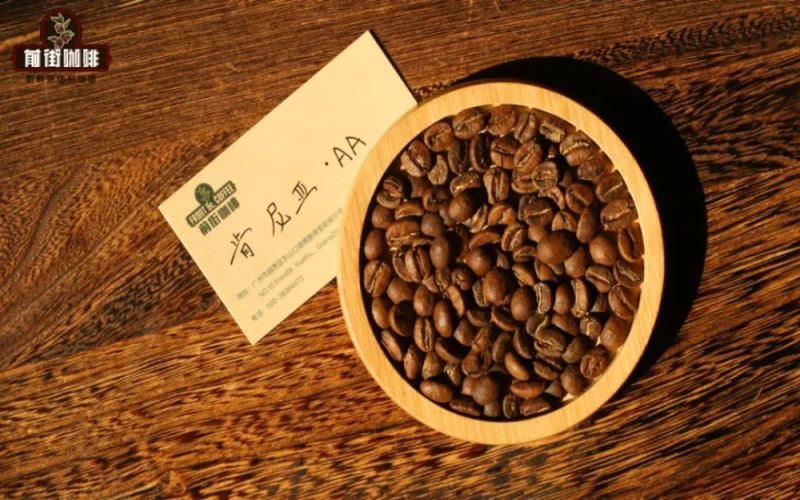
Basis and Characteristics of AA and AAA Coffee Bean Grading: A Full Analysis of Grading Standards in Kenya and Other Origins
When selecting coffee beans, have you ever noticed the AA or AAA labels that often follow the bean names? What exactly do these letters mean, and by what standards are they determined? This article will systematically sort out the coffee bean grading system, from bean size and defect rate to secondary rating labels, guiding you through the specific rules behind suffixes such as AA, AAA, TOP, and Plus. At the same time, the article will also cover the grading characteristics of major producing regions such as Kenya, and retain relevant recommendations from the Front Street brand, helping you make clearer judgments when choosing beans in your daily life. [more…]
Tanzania Chagga AAA Ruvuma Region Coffee Flavor Analysis and Front Street Brewing Guide
Tanzania is an important specialty coffee-producing country in East Africa, and its Chagga AAA-grade coffee is known for its plump beans and rich aroma. This article focuses on the Chagga AAA produced in the Ruvuma region, analyzing its performance from emerald-green raw beans to the flavor in the cup. The article reviews the historical changes, grading system, and sales model of Tanzania's coffee industry, and provides a detailed record of Front Street Coffee's three-stage brewing analysis and flavor description of this bean. Whether it is the apple and grape fruitiness with the tartness of hawthorn and plum under a light roast, or the dark chocolate and caramel sweetness after a heavy roast, both point to a common impression—prominent sweetness, mild acidity, and a smooth mouthfeel. It is suitable as a reference for enthusiasts who are just beginning to explore acidic coffee. [more…]
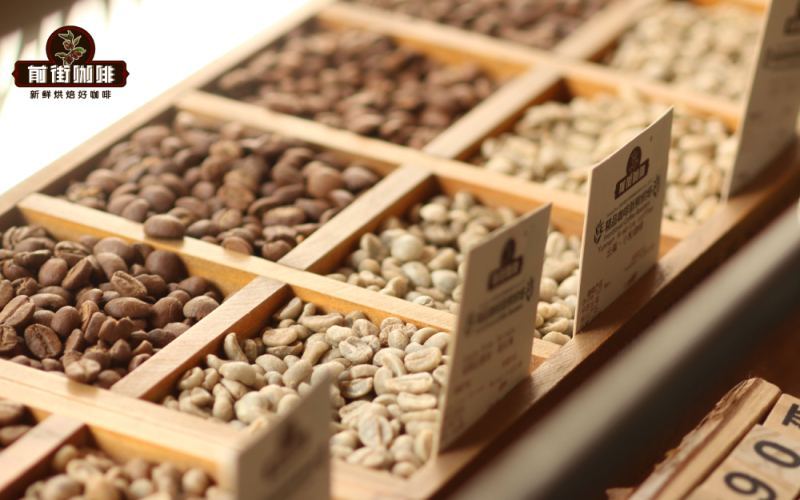
Yunnan Coffee Bean Grading System and Flavor Analysis: From Rating Standards to Front Street Specialty Recommendations
As an agricultural product, coffee inevitably varies in quality, so each producing region establishes a grading system to standardize quality and provide a reference for trading. Yunnan coffee currently follows the "Green Coffee Grade Inspection Standards" released in 2019, but self-assessed standards run rampant in the market, causing grades to become disconnected from flavor. This article will systematically sort out the grading criteria for Yunnan coffee, the commonly used international and domestic standards, the varietal evolution of Arabica coffee, and introduce Front Street Coffee's experimental cultivation and product recommendations in Yunnan, finally attaching practical brewing parameters to give you a comprehensive understanding of the current state and charm of Yunnan specialty coffee. [more…]
Tanzania Kilimanjaro Coffee Buying Guide: Front Street Brand Grading, Flavor Characteristics, and Price Reference
Among Tanzanian coffees, Kilimanjaro is regarded as the representative. The area around Africa's highest peak has volcanic soil, high altitude, and pure snowmelt water, providing ideal conditions for coffee cultivation, and some coffee trees are over a century old. Local coffee is mostly grown at altitudes of 3,000 to 6,000 feet and processed by the washed method, presenting wine-like acidity, fruity notes, and a delicate aftertaste. Front Street Coffee grades Tanzanian coffee into nine levels according to bean size and quality, from AAA to F, each with corresponding screen size standards. This article focuses on the flavor performance, grading system, and domestic prices of Kilimanjaro coffee to help coffee enthusiasts gain a comprehensive understanding of this common single-origin coffee. [more…]

An Analysis of the Meaning of Tanzanian Coffee AA and AB Grades: British Imperial Screen Size Standards and the Detailed Classification Rules for Each Grade
Tanzania, one of Africa's Big Three coffee producers, has performed increasingly impressively in the global specialty coffee market in recent years. When buying Tanzanian coffee beans, what exactly do the "AA" and "AB" labels commonly seen on packaging mean? These letters are in fact grade codes for Tanzanian Arabica coffee beans, using a British imperial grading method similar to Kenya's, though the specific standards differ. Tanzanian authorities grade coffee by screen size, assuming that larger size means better quality, and classify beans into multiple grades such as AAA, AA, A, B, PB, C, E, F, AF, and TT. Among these, Grade AA requires mostly 17 to 18 mesh, while Grade AB is a mix of Grades A and B, and no such official grade actually exists. This article will explain in detail the specific mesh requirements and screening standards of each grade, helping coffee lovers decipher the grading code of Tanzanian coffee beans. [more…]

Luckin Coffee's "Black Myth: Wukong" collaboration crashed its system on the first day, with merchandise selling out instantly and sparking a collective backlash from gamers.
This Monday, Luckin Coffee's collaboration event with the domestic AAA game Black Myth: Wukong officially launched. However, on the first day, issues such as ordering system failures, merchandise selling out instantly, and redemption anomalies pushed it onto Weibo's trending topics. Players stayed up late to wait and got up early to snap up items, only to encounter situations like "sold out," "unable to redeem," and "stores not receiving stock," with complaints flooding social media. Meanwhile, collaboration posters were being resold at high prices on second-hand platforms. Luckin officially responded later that the system had been repaired and issued a restocking notice, with an estimated production cycle of about 15 days. This article reviews the complete process of this collaboration event and consumer feedback. [more…]

A Complete Guide to Tanzanian Coffee Regions: Flavor Analysis and Green Bean Grading Standards
Tanzania is an important coffee-producing country in East Africa, and its green bean grading system is similar to Kenya's, with screen size as the core criterion. The official top grade is AAA, while terms such as AA top and AB plus are names created by private green bean traders after secondary screening based on official specifications. Tanzania's annual production is about 50,000 tons, comparable to Kenya's. The earliest Arabica seeds came from Réunion Island, and planting on the slopes of Mount Kilimanjaro in 1893 achieved the greatest success. This article will comprehensively introduce Tanzanian coffee from the aspects of regional flavor, historical origins, producing area distribution, and the cooperative system, and use washed Kilimanjaro coffee as an example to present Front Street Coffee's roasting and brewing plan, bringing you a feel for its unique charm of balanced mildness and rich sweet aroma and red wine notes. [more…]

Luckin Coffee's collaboration with "Black Myth: Wukong" sparks controversy, with IP gender discrimination backlash becoming the focal point.
Luckin Coffee recently officially announced a co-branding partnership with the domestic single-player game Black Myth: Wukong, with the limited-edition drink Soaring Americano and themed merchandise set to launch soon. The news quickly trended on social media, and players were eagerly anticipating it. However, as the collaboration gained traction, some netizens dug up past sexist remarks made by the game's core creative team, sparking widespread controversy. Some believe that while Luckin's move can ride the momentum of China's first AAA blockbuster, it could also suffer backlash due to the public opinion storm surrounding its partner. Is this collaboration a win-win or a risk? Let's take a closer look. [more…]
2018 Panama BOP Auction Concludes: Natural Geisha Sets a Record High of $803 per Pound, Hacienda La Esmeralda Crowned Double Champion
The results of the 2018 Best of Panama (BOP) auction have been officially revealed. The natural Geisha shattered the historical record with a staggering price of $803 per pound, becoming this year's top lot. Elida Estate, with its double victory in both the washed and natural Geisha categories, became the first "double champion" in BOP history. This year's auction not only witnessed the continued dominance of the Geisha variety but also reflected the profound impact of reduced production in the Panama region on the scale of the competition. Front Street Coffee takes you through a comprehensive review of the highlights and changes of this world-class green bean event. [more…]

A Detailed Explanation of the Green Coffee Bean Grading System: What Quality Levels Do G1 to G4, AA, PB, and SHB Represent?
The grading systems for coffee beans vary widely depending on the origin—some are based on the number of defects, others on bean size, and still others on altitude. Understanding these grade labels is an important step in selecting high-quality coffee. This article will systematically outline the green bean grading rules of major global producing regions, covering common designations such as Ethiopia's G1-G9, Kenya's AA and PB, Colombia's Supremo, and Hawaii's Extra Fancy, and explain how cupping scores further distinguish specialty grade from commercial grade. Whether you are a beginner enthusiast or a professional seeking to advance, this grading guide can help you judge coffee quality more clearly. For more professional content, follow Coffee Workshop; for specialty coffee beans, add Front Street Coffee on WeChat at qjcoffeex. [more…]
A Detailed Account of the Cultivation History of Gesha at Colombia's Hacienda La Esperanza and the Pour-Over Technique for Rose Valley Coffee
Among Colombia's coffee-growing regions, Hacienda La Esperanza is renowned for its dedication to specialty coffee and its innovative introduction of the Geisha variety. From learning from Panama to successfully cultivating Geisha in the Cauca Valley, and then winning the World Coffee Championship, Hacienda La Esperanza has redefined coffee cultivation through scientific management and a winery philosophy. This article will outline its cultivation characteristics, microclimate experiments, and strict quality control, and share the pour-over brewing method for Rose Valley coffee beans, making it suitable for coffee enthusiasts to gain an in-depth understanding of the charm of Colombian specialty coffee. [more…]
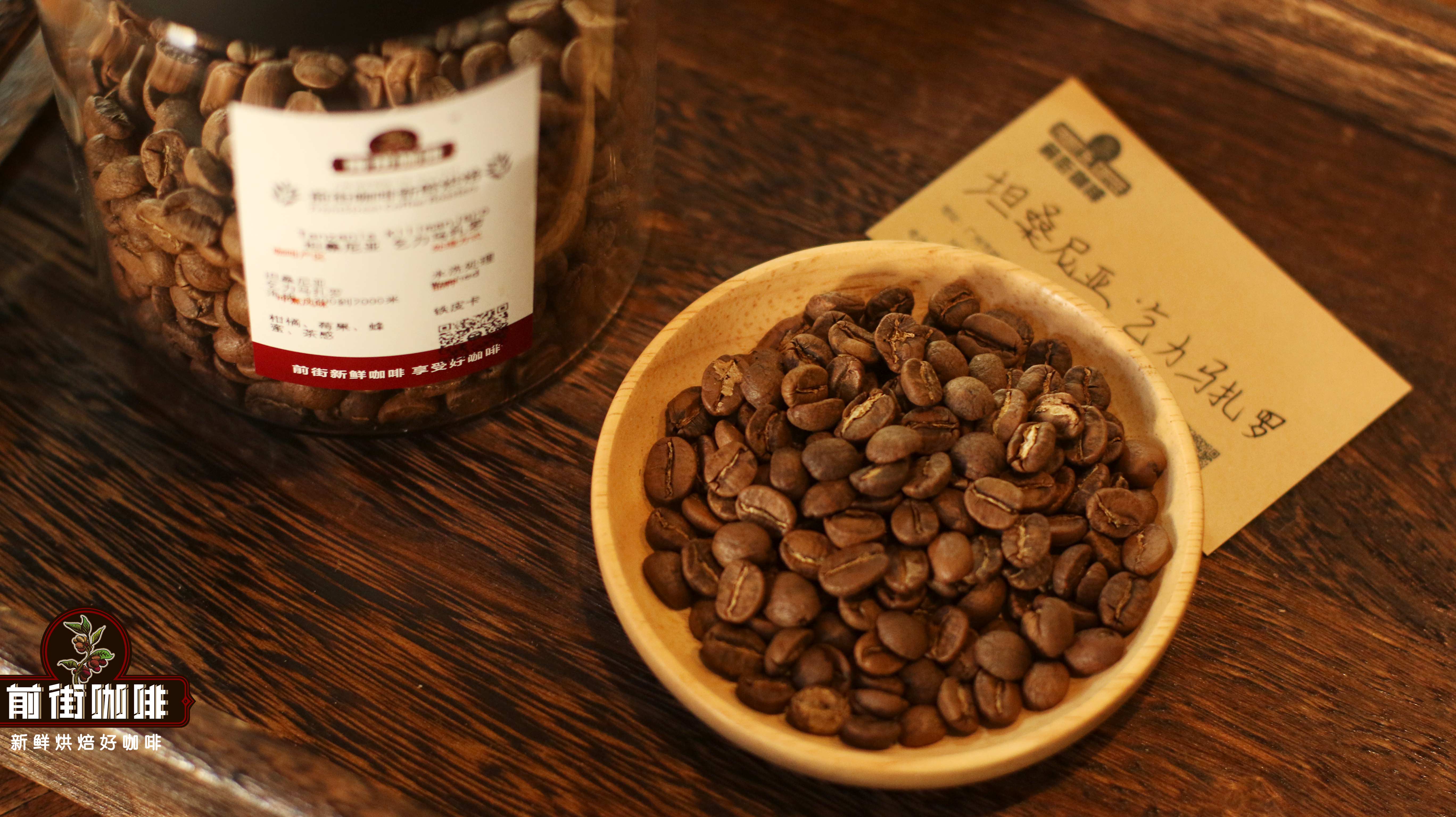
Tanzanian Coffee Flavor Characteristics and Producing Region Analysis: A Guide to Kilimanjaro and Southern Bean Recommendations
Tanzania, as an important coffee-producing country in East Africa, is known for its coffee's soft acidity, sweet aroma, and red wine notes, with a style that falls between Kenya and Ethiopia. This article will systematically introduce the unique charm of Tanzanian coffee, from producing regions and the history of variety introduction to green bean grading systems and brewing suggestions. Front Street Coffee's selected Kilimanjaro AA and Southern Bourbon AA, both washed beans, respectively present bright acidity and rich floral notes, making them suitable for pour-over enthusiasts to explore the diverse character of African coffee. [more…]
A Guide to Authenticating Jamaica Blue Mountain No. 1 Coffee: Pricing, Flavor, and Brewing Parameters Explained
Jamaican Blue Mountain coffee has long ranked among the world's most prestigious coffees, thanks to its balanced acidity, sweetness, and bitterness along with its smooth, full-bodied mouthfeel. However, the domestic market is a mixed bag, with products labeled "Blue Mountain flavor" bearing little resemblance to authentic Blue Mountain coffee. From the perspective of Front Street Coffee, this article systematically organizes eight practical methods for verifying the authenticity of Blue Mountain coffee, covering dimensions such as taste, certification, origin, packaging, grade, appearance, grind, and aroma, and provides a detailed introduction to the flavor profile of Clifton Mount Estate Blue Mountain No. 1 along with a Kono dripper brewing recipe, helping coffee enthusiasts make accurate judgments when purchasing. [more…]
Analysis of Jamaican Blue Mountain Coffee Flavor Characteristics: Nutty Aroma, Mouthfeel Layers, Authenticity Identification, and Price Guide
Jamaican Blue Mountain coffee has long ranked among the world's top coffees, thanks to its balanced ratio of acidity, sweetness, and bitterness and its smooth, full-bodied mouthfeel. However, it is common in the domestic market for "Blue Mountain flavor" products to be passed off as "Blue Mountain coffee," and ordinary consumers often find it hard to tell the difference. Starting from the origin background and certification system of Blue Mountain coffee, this article systematically introduces eight practical methods for verifying authenticity, covering multiple dimensions such as taste, packaging, grade, appearance, grinding feel, and aroma, and uses the bestselling Clifton Estate Blue Mountain No. 1 from Front Street Coffee as an example to provide specific flavor descriptions and brewing parameter suggestions, helping coffee lovers gain a comprehensive understanding of this legendary coffee. [more…]
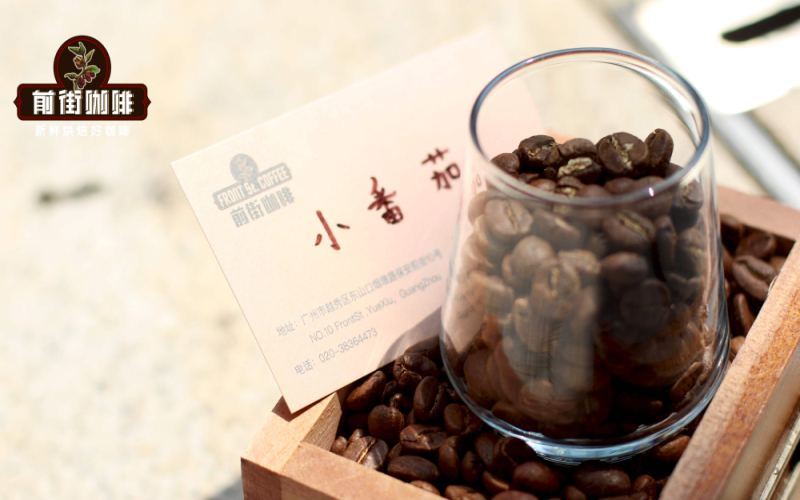
Tanzania vs. Kenya Coffee Flavor Comparison: An Analysis of the Taste Characteristics of Kilimanjaro AA Beans
As two important coffee-producing countries in East Africa, Tanzania and Kenya are often compared together. Kenya is known for its bright acidity, while Tanzania presents a softer style. From the perspective of Front Street Coffee, this article sorts out the origins and differences of the coffee of the two countries, focusing on the producing region distribution, variety characteristics, washed processing flow, green bean grading rules of Tanzania Kilimanjaro AA, as well as Front Street Coffee's roasting and brewing suggestions, and analyzes the formation principle of peaberry, helping coffee lovers fully understand this East African bean that combines fruity aroma and full body. [more…]
Yunnan Small-Bean Coffee: Origin Environment and Flavor Analysis — From Botanical Characteristics to Quality Grading
Yunnan, as China's most important coffee-producing region, nurtures outstanding quality Arabica coffee thanks to its subtropical mountain climate south of the Tropic of Cancer and its fertile plateau red soil. This article systematically reviews the introduction history, main cultivated varieties, producing region distribution, and flavor characteristics of Yunnan coffee, and provides a detailed introduction to the botanical features—roots, stems, leaves, flowers, and fruit—of Arabica coffee as well as its grading standards. Whether you are a coffee enthusiast just starting out or a seasoned player hoping to gain a deeper understanding of the past and present of Yunnan beans, you can gain from it a complete understanding of the relationship between this land and coffee, while also seeing Front Street Coffee's continued attention to and recommendations for Yunnan coffee. [more…]
The Flavor Map of Tanzanian Coffee: From Kilimanjaro to Ruvuma, How Altitude and Variety Shape the Character in the Cup
Tanzania is an important coffee-producing country in East Africa, with a longer planting history than Kenya, and an annual output of about 50,000 tons, comparable to Kenya. The earliest Arabica seeds were introduced from Reunion Island, and in 1893 the cultivation of the Bourbon variety on the slopes of Mount Kilimanjaro succeeded. Later, in the 1950s, more varieties were introduced from Burundi. Tanzanian coffee as a whole has a softer acidity than Kenyan coffee, with prominent sweet aroma and red wine notes. The northern Kilimanjaro producing region and the southern Ruvuma producing region each have their own distinctive styles. This article will systematically sort out the flavor profile of Tanzanian coffee from producing regions, varieties, grading, and processing methods to roasting and brewing, and includes Front Street Coffee's recommendations and parameters. [more…]
A Complete Analysis of Tanzanian Coffee Flavors: From Kilimanjaro to Ruvuma, Taste Characteristics and Regional Differences
Tanzania is located in East Africa, bordered by Kenya and Uganda to the north, Malawi, Mozambique, and Zambia to the south, and Rwanda and Burundi to the west. Although Tanzanian coffee is less famous than that of its neighbor Kenya, its annual output is almost on par with Kenya's, reaching about 50,000 tons. The earliest Arabica seeds were introduced from the French island of Réunion and planted in Bayamoyo and Mogoro. In 1893, cultivation on the slopes of Mount Kilimanjaro achieved the greatest success, and in the 1950s the crop was introduced from Burundi to the west. At present, high-altitude growing areas account for 75%, and wild coffee still appears from time to time. Unlike most African producing countries, Tanzania uses sisal-leaf fiber bags to ship coffee beans in order to protect its domestic sisal industry. This article will comprehensively review the distribution of Tanzanian coffee regions, variety characteristics, grading system, and processing methods, and, combined with Front Street Coffee's roasting and brewing practices, present its unique flavor. [more…]
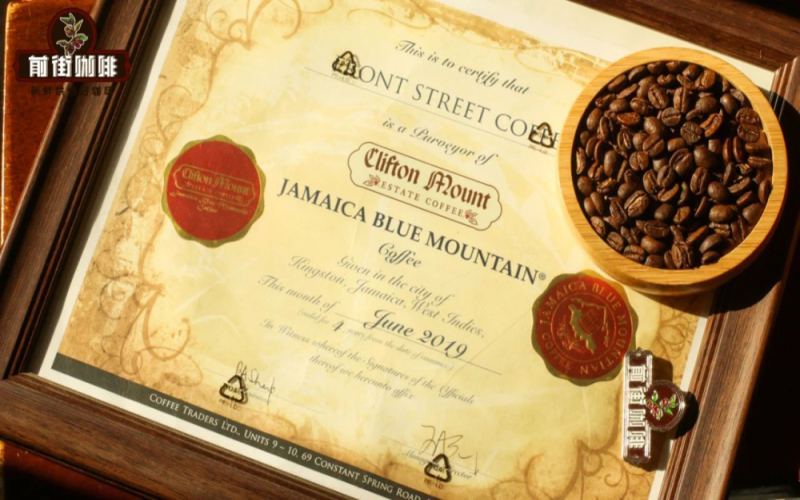
Why Is Jamaican Blue Mountain Coffee So Expensive? What's Behind Cheap "Blue Mountain Flavor" Coffee?
Jamaican Blue Mountain coffee is hailed as one of the most renowned rare coffees in the world, known for its balanced acidity, sweetness, and bitterness along with a smooth, full-bodied mouthfeel. However, the market is flooded with low-priced products labeled "Blue Mountain flavor"—just how do they differ from authentic Blue Mountain coffee? This article, from the professional perspective of Front Street Coffee, systematically sorts through the growing conditions and certification systems of Blue Mountain coffee, and shares eight practical methods for identifying authenticity, covering dimensions such as taste, certification, origin, packaging, grade, appearance, grind, and aroma. It also introduces the Rainforest Alliance-certified estate background of Front Street Blue Mountain No. 1, its washed processing flow, and suggested brewing parameters for the Kono dripper, helping coffee enthusiasts gain a comprehensive understanding of this legendary coffee. [more…]